
Industry NewsMarketing Automation
Fujitsu and Carnegie Mellon University launch joint Physical AI Research Center
Article content
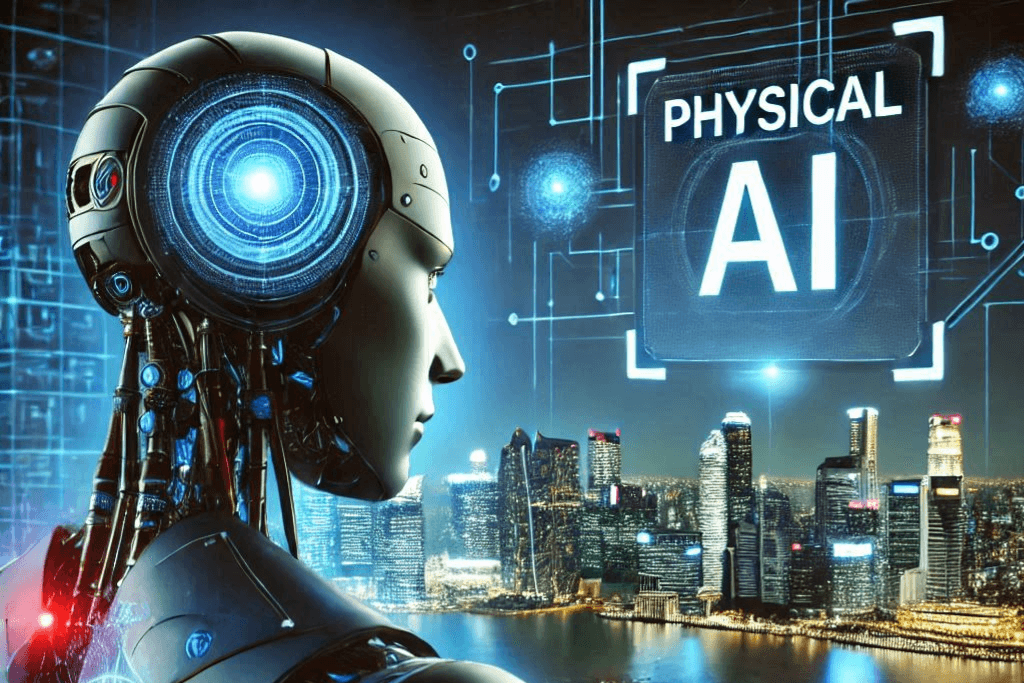
Fujitsu Limited and Carnegie Mellon University have launched a joint research initiative titled the Fujitsu-Carnegie Mellon Physical AI Research Center, aimed at advancing the development of AI systems capable of operating in real-world environments.
The center will focus on Physical AI, a category of artificial intelligence designed to interact with physical spaces, human activity, and complex real-world conditions. The objective is to move beyond traditional digital AI applications and develop systems that can support automation and decision-making across industries such as manufacturing, logistics, healthcare, infrastructure, and construction.
The collaboration brings together expertise across robotics, machine learning, simulation, human-machine interaction, and ethics. Researchers from both organisations will work on integrated systems that combine perception, reasoning, and action in dynamic environments, with an emphasis on real-world deployment rather than purely theoretical models.
A key focus of the center is bridging the gap between academic research and industrial application. This includes leveraging Carnegie Mellon’s Robotics Innovation Center in Pittsburgh, which provides infrastructure for testing AI systems in physical environments at scale.
Physical AI is increasingly seen as a next phase of enterprise AI evolution, where systems are not limited to generating outputs but are capable of interacting with the physical world through robotics and autonomous systems. The initiative reflects a broader industry trend toward embodied intelligence and real-world AI deployment.
Fujitsu has been expanding its focus on converging AI, computing, and robotics as part of its long-term strategy around digital and physical system integration.
The collaboration also highlights the growing importance of academic-industry partnerships in shaping the future of AI infrastructure, particularly as enterprises move toward automation systems that require contextual awareness and physical interaction capabilities.
Source and Credits: PR Newswire