
Expert ArticlesAI Business & Ecosystem
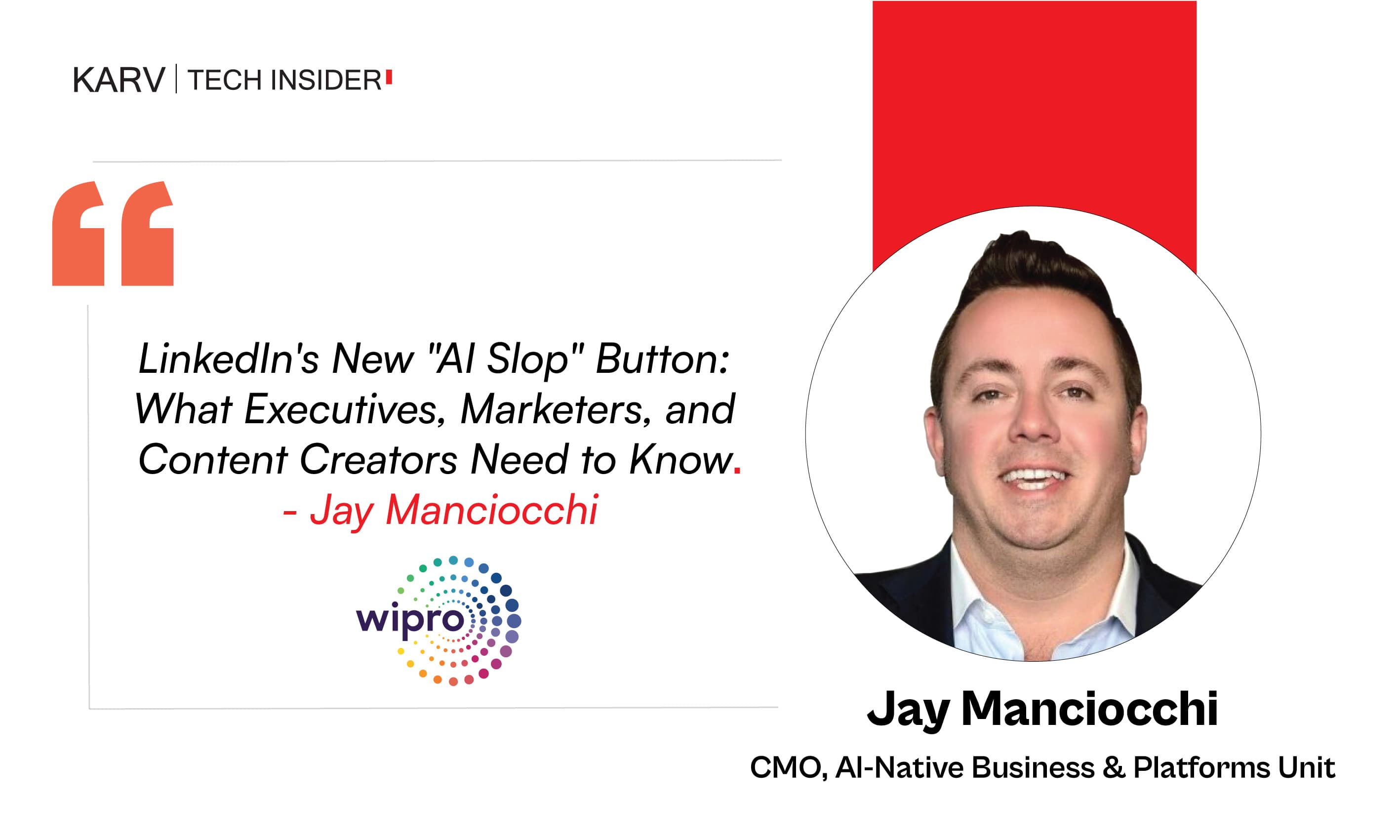
LinkedIn's New "AI Slop" Button: What Executives, Marketers, and Content Creators Need to Know
Article content
LinkedIn's New "AI Slop" Button: What Executives, Marketers, and Content Creators Need to Know
3 Key Takeaways
- LinkedIn is shifting its algorithms to reward authentic expertise and original perspectives over content volume.
- Generic, low-value AI-generated content is becoming less likely to receive platform visibility.
- The future belongs to professionals who use AI to amplify their expertise rather than replace it.
Over the past two years, professionals have joked that LinkedIn had become the internet's largest collection of AI-generated motivational stories, recycled leadership advice, and "thought leadership" that often says everything and nothing at all at the same time.
Today, LinkedIn has responded by introducing a new reporting option that allows users to flag posts that appear to be "AI slop" content that feels overly AI-generated or lacks authentic human insight. Alongside this, LinkedIn continues expanding its detection systems to reduce the visibility of generic AI-generated content throughout the platform.
This isn't simply another moderation feature. It signals a broader change in how professional platforms evaluate content quality, rewarding expertise and originality over publishing frequency.
AI Isn't the Enemy. Mediocre Content Is.
LinkedIn has been clear that AI itself is not the problem. The platform continues encouraging professionals to use AI for editing, proofreading, and improving communication.
Instead, the focus is on reducing the reach of content that feels mass-produced, interchangeable, or disconnected from genuine experience. Rather than removing these posts entirely, LinkedIn is increasingly limiting their visibility within recommendations and suggested feeds.
The distinction is significant. Using AI to improve your writing is very different from allowing AI to become your professional voice.
Why This Matters Beyond LinkedIn
The introduction of an "AI Slop" reporting feature reflects a broader shift taking place across search engines, social platforms, and AI-powered discovery systems.
Algorithms are increasingly evaluating content through questions such as:
- Does this demonstrate real expertise?
- Is there evidence of first-hand experience?
- Does it introduce a genuinely useful perspective?
- Would readers save or share this because it delivers meaningful value?
These factors are becoming increasingly important in determining discoverability across digital platforms.
The New Rules of Professional Content
For years, many creators focused on publishing consistency above all else, often following identical storytelling structures and repeating proven templates.
Generative AI made this approach even easier, resulting in an influx of similar posts using predictable narratives and polished but ultimately forgettable conclusions.
The outcome has been declining trust in online content. Rather than lowering the ceiling for quality, AI has lowered the average.
What This Means for Marketing Teams
For marketing leaders, the lesson is not to stop using AI. Instead, it's to use AI more intelligently.
Successful teams are increasingly leveraging AI to:
- Accelerate research
- Analyze larger datasets
- Develop first drafts
- Identify content gaps
- Personalize messaging
- Improve editing
- Repurpose existing content
However, the most valuable elements, original ideas, customer stories, executive insights, strategic thinking, and lived experience must continue coming from people.
AI can accelerate expertise, but it cannot create it.
The End of AI-Only Content Creation
Professional publishing is entering a new phase.
Success will no longer belong to those who publish the fastest or most frequently. Instead, it will belong to individuals and organizations with ideas worth amplifying.
The most effective use of AI is one that remains invisible. Readers should finish an article remembering the author's perspective not wondering which AI model produced it.
That appears to be the future LinkedIn is encouraging, and one that benefits both creators and readers alike.

Frequently Asked Questions
What is AI slop?
AI slop generally refers to low-effort, generic, mass-produced AI-generated content that lacks originality, expertise, or meaningful value.
Is LinkedIn banning AI-generated content?
No. LinkedIn supports responsible AI use for writing assistance while reducing the visibility of repetitive and low-value content.
Can professionals still use AI for LinkedIn content?
Yes. AI works best as an assistant for research, editing, and ideation, while original insights and expertise should come from the author.
How does this affect SEO, GEO, and AEO?
Search engines, AI assistants, and recommendation systems increasingly reward trustworthy, experience-based content that demonstrates expertise and originality.
About Jay Manciocchi
Jay Manciocchi serves as Chief Marketing Officer, AI-Native Business & Platforms Unit at Wipro. He is a global marketing executive with extensive experience leading brand strategy, demand generation, communications, and go-to-market initiatives across enterprise technology organizations. Jay regularly shares insights on AI, marketing leadership, digital transformation, and the evolving future of B2B marketing.
Credits: This expert article was written by Jay Manciocchi, Chief Marketing Officer, AI-Native Business & Platforms Unit at Wipro, and is published on KARV Tech Insider with author permission.